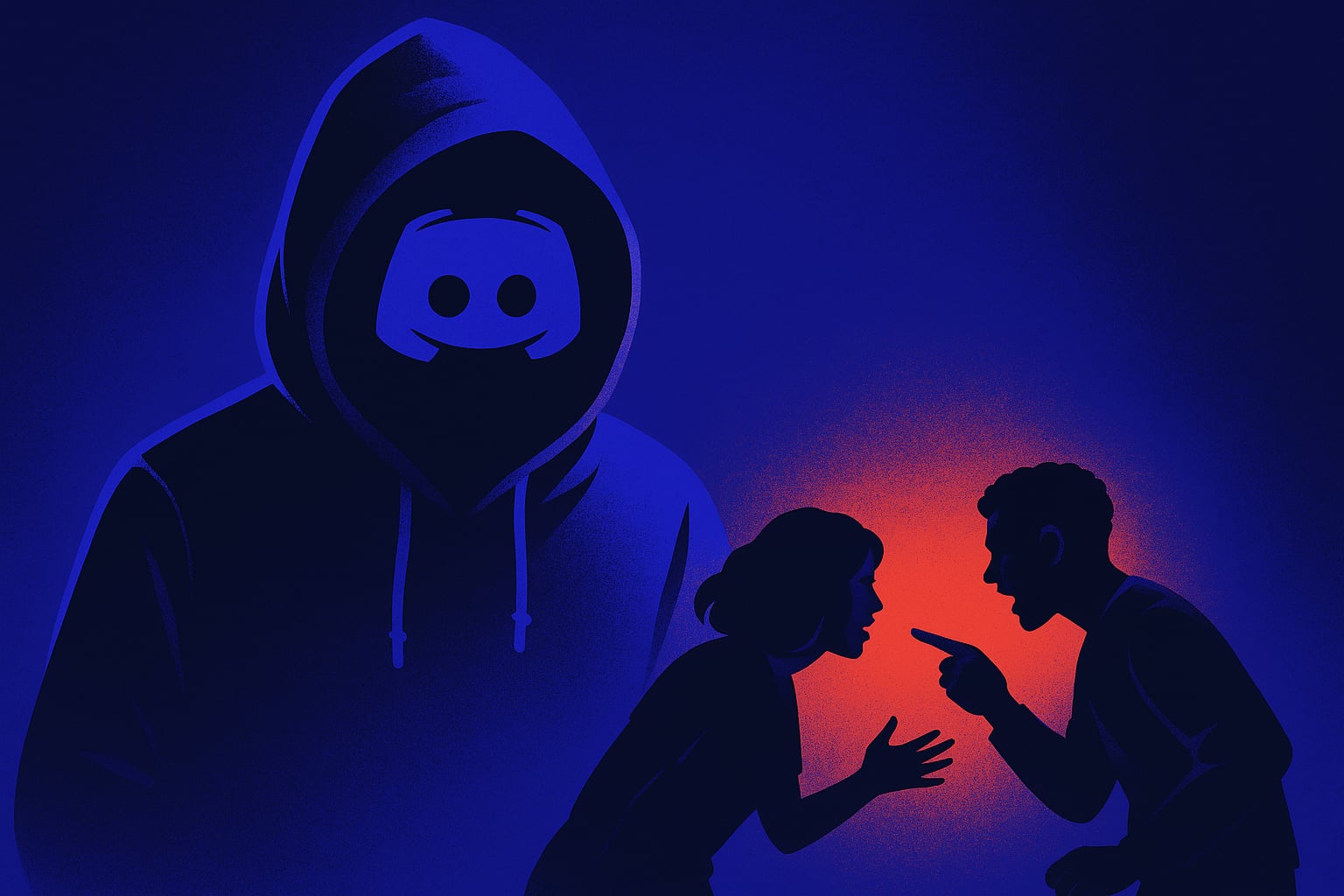
Making your mod team anonymous removes the social friction that keeps most members in line. People behave differently when they don't know who's watching.
It seemed smart at the time
My server had about 280 members and three mods. Every time I gave someone a visible Moderator role, new members would pile into their DMs with complaints, questions, and the occasional weird argument. My mods were burning out fast. So I tried something I'd seen mentioned in a server management thread: strip the visible mod badge. No colored role. No mod tag. Just regular-looking members who could still delete messages and hand out timeouts.
For the first week it felt like a fix. My mods reported fewer random DMs. People stopped trying to buddy up to them to get special treatment. I thought I'd solved the burnout problem.
Then things started going sideways in a very quiet, specific way.
The thing nobody tells you about anonymous mod teams
The rule-breaking that picked up wasn't dramatic. Nobody started posting slurs or spamming links. It was smaller than that. Off-topic posts in focused channels. Members talking over each other in ways they hadn't before. A few arguments that went three or four replies too long before anyone cooled down. Nothing ban-worthy. Just friction that hadn't been there before.
I pulled the message logs and looked at the timing. The shift started almost exactly when I hid the mod roles. I don't think most of those members consciously thought 'there are no mods now.' But some part of them noticed. The visible mod badge isn't just about authority. It's a social cue. It tells people that someone is present and paying attention. Remove it and the room feels a little less watched, even if the actual moderation hasn't changed at all.
I talked to a few server owners who had tried the same thing and most of them reported the same drift. One of them put it well: 'People don't behave because of rules. They behave because they can see someone who might care about the rules.' That's uncomfortable to admit, but it matched what I was seeing.
I ended up rebuilding the role structure properly through BuildMyDiscord, which set up a tiered system where mods had a visible but understated role badge, not a loud 'STAFF' tag, just enough to signal presence without making them a target for every complaint. That small distinction actually solved both problems at once. Mods stopped getting buried in DMs, and the subtle rule-bending stopped.
What I'd do differently
If your mods are burning out from DMs, the fix isn't to hide them. It's to redirect. A proper ticket system or a #mod-contact channel absorbs those requests so mods aren't getting pinged directly. The visibility stays, the inbox pressure goes away.
Anonymous moderation works in very specific situations, usually large servers where mods are actively monitoring real-time, not smaller communities where the social fabric depends on people knowing who's in the room. At under 500 members, visibility almost always wins.
The broader point is that a lot of server behavior problems aren't about rules or channels or bots. They're about whether members feel like anyone's present. That's not something you can automate your way out of, but you can structure for it. Visible roles, an active mod presence even if it's just reacting to messages, and a server that looks maintained rather than abandoned. Those things matter more than any written rule you can pin.
Frequently Asked Questions
For most servers under 1,000 members, yes. A visible mod role signals presence and reduces low-level rule-bending. The badge doesn't need to be loud, but it should exist.
Set up a dedicated #support or ticket channel and pin it clearly. Tell members in your rules that mod DMs are closed. This redirects requests without hiding who your mods are.
It's a social pressure thing, not a deliberate choice. People regulate their behavior differently in spaces that feel watched versus spaces that feel empty, even if the actual rules haven't changed.
For servers under 500 members, a simple two-tier setup works well: one Moderator role with a visible but subtle color, and one Admin role for server owners. Avoid five-tier staff hierarchies, they create drama without adding real coverage.
Build yours in about 3 minutes
Stop wiring up channels by hand. Describe it, and it builds itself.
Tell the AI what your community is for and get a full Discord server back, channels, roles, permissions and a management bot, ready before your coffee is.
Build my server freeRelated articles
I copied my Discord server's activity by faking it for three days. My real members never noticed. Then they did.
I seeded fake activity in my Discord server to kick-start conversations. It worked, then collapsed. Here's the exact moment it turned.
I gave my Discord server a 'dead hours' problem and fixed it by accident with one stupid small change
My Discord was active for 2 hours a day and silent for 22. I tried everything obvious. The fix was embarrassingly simple.
I made my Discord server's bot respond to everything. My members stopped talking to each other completely.
I automated every interaction in my Discord server and watched real conversation die in two weeks. Here's exactly what happened.